Picking the right OEM or ODM Inductor Coil products is pretty important when it comes to your projects. These coils come in all kinds of types, each with its own specs, so it's really about understanding what you actually need first. That way, you’re better equipped to make a smart choice.
When you're choosing an Inductor Coil, think about the electrical requirements of your project — stuff like inductance, the maximum current it can handle, and impedance. These things should match what your design calls for. Good manufacturers get this, and they can usually guide you in the right direction. But keep in mind, not every supplier has the same level of expertise or quality.
It's always a good idea to check out who you're buying from. Look for brands with a solid reputation for delivering reliable Inductor Coils. Reviews, certifications, and how responsive their customer support is can tell you a lot. Also, don’t be fooled by really cheap prices — sometimes that means lower quality. Remember, your choice will affect how well it performs and how long it lasts. Take your time, think things through, and choose wisely — it’s worth it.
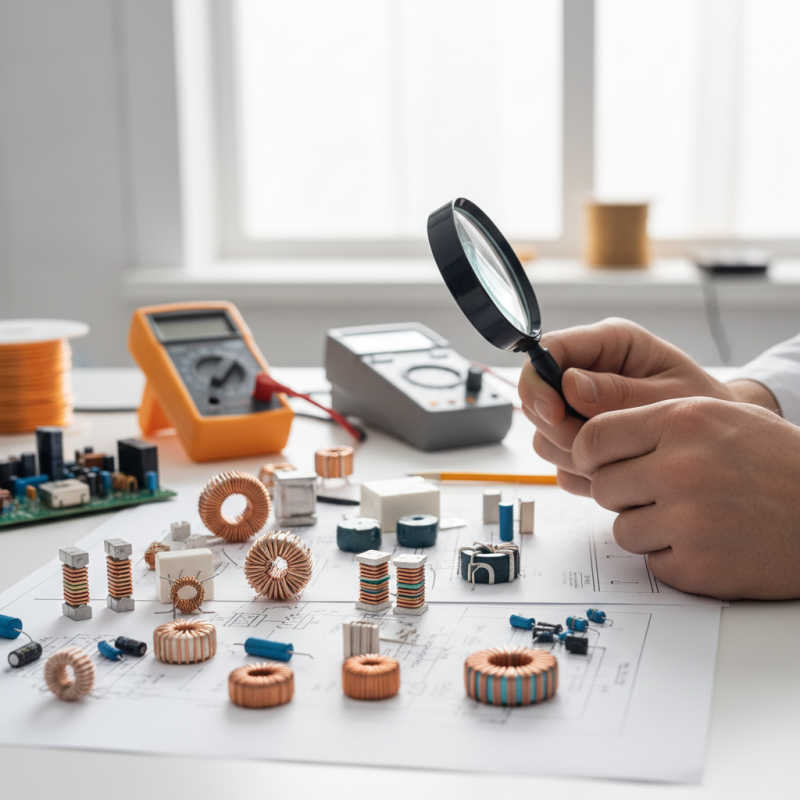
Understanding OEM and ODM: Definitions and Differences
Understanding OEM and ODM: Definitions and Differences
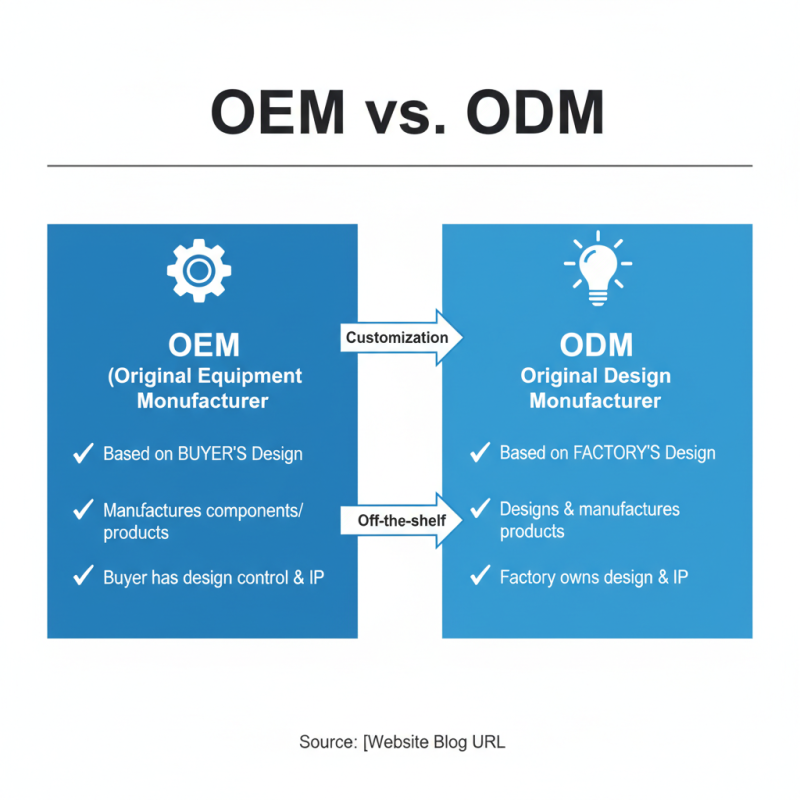
Original Equipment Manufacturing (OEM) and Original Design Manufacturing (ODM) are two essential concepts in product sourcing. OEM refers to a company that produces parts or equipment that another company sells under its name. Conversely, ODM involves the design and manufacture of products by one firm for another, allowing companies to brand the products without being involved in the design phase.
The global inductor market is projected to reach $3.5 billion by 2026, with a significant portion attributed to OEM and ODM practices. OEMs typically offer high customization, which is crucial for specialized applications. Their production processes often boast more stringent quality control measures. Nevertheless, this can lead to higher costs and longer lead times.
On the other hand, ODMs provide ready-to-market solutions, leading to quicker product launches. However, companies may sacrifice some degree of customization, which can affect product uniqueness. Around 65% of businesses value the trade-off between speed and customization when choosing between OEM and ODM suppliers. Understanding these trade-offs is vital for informed decision-making, especially in an increasingly competitive market.
Identifying Your Specific Needs for Inductor Coil Products
Identifying your specific needs for Inductor Coil products can significantly impact your project outcomes. Start by assessing the application's electrical requirements. What voltage levels and currents will theCoil Inductor handle? Knowing this helps narrow down the choices. Different applications require different inductance values, temperature tolerances, and winding materials. Make a list of these specifications.
Tips:
Consider the environmental factors. Will the Inductor Coil be exposed to high temperatures or corrosive elements? This greatly affects material selection. Consult with engineers or industry experts if you need clarity. Gathering insights can prevent costly mistakes. Additionally, think about the size constraints and physical design of your project.
Be mindful that not all inductor coil products will fit your specifications perfectly. Sometimes, compromises are necessary. It’s okay to view it as a refining process. Gathering feedback from prototypes can lead to better decisions. Prototype testing reveals whether the chosen Coil Inductor meets the real-world demands. Small adjustments might make a big difference. Be prepared to iterate. Your refinement process is crucial for achieving optimal results.
Key Specifications to Consider When Choosing Inductor Coils
When choosing the right Inductor Coils, several key specifications deserve your attention. One of the primary factors is inductance value. This directly affects the coil's functionality in a circuit. A precise inductance is essential for your application's performance. Too high or too low can lead to inefficiencies.
Another vital aspect is the DC resistance. Lower resistance usually ensures better performance, especially in high-frequency applications. Yet, a balance is needed. A coil that is too low in resistance may not withstand the thermal stress during operation. Ensure you analyze your requirements carefully.
Lastly, consider the physical size of the Smt Coil. It must fit into your project without compromising other components. Ensure it adheres to your design specifications. It can be tempting to opt for the smallest option, but this may not provide adequate power or stability. Reflect on your needs, weigh each factor, and make a thoughtful decision.
Evaluating Quality Standards for OEM ODM Inductor Coils
When evaluating quality standards for OEM ODM Inductor Coils, specifics matter greatly. Consider the manufacturing process. A reliable coil should pass rigorous testing phases. Look for certifications indicating adherence to international standards. These demonstrate commitment to performance and safety.
Next, assess the materials used in the production of the coils. Copper quality, insulation types, and core materials impact performance deeply. Poor material choices lead to inefficiencies. Checking technical specifications can reveal a lot about durability and effectiveness. For example, a Wireless Coil should have a well-defined inductance value and minimal losses for optimal operation.
Lastly, think about the supplier’s reputation. Reviews and testimonials can provide insights into their reliability. Engaging with manufacturers directly can help you gauge their expertise. Open communication is essential for understanding their processes and standards. Ensure they are transparent about their quality assurance methods. These factors will shape your choices significantly and enhance your product's performance.
Analyzing Cost Factors in Inductor Coil Selection
When selecting OEM ODM Inductor Coil products, cost factors are crucial. The overall cost includes material, manufacturing complexity, and testing requirements. Low-cost options can be tempting but might compromise quality. Understanding the trade-offs is essential.
For instance, cheaper materials may reduce initial costs but lead to inefficiencies or failures. Testing is often overlooked in cheaper options, risking reliability. If your project demands high performance, investing in quality is necessary. Consider life cycle costs over time, not just initial expenses.
Examining the supply chain can reveal hidden costs too. Delays in material sourcing or production can escalate expenses. Ask suppliers about their processes and reliability. Lack of communication may indicate deeper issues. Focusing on total project costs, rather than price per unit, will help in making informed choices.
Researching and Comparing Different Manufacturers
When researching OEM ODM Inductor Coil products, it’s essential to analyze different manufacturers. This process may appear straightforward, but it requires a deep understanding of specifications and performance metrics. For example, a report from the International Electrotechnical Commission indicates thatLow DC resistance rod choke inductors are vital for improving energy efficiency in electronic circuits.
Understanding the intricacies is key. Compare the manufacturing methods used by various companies. Look into their quality control protocols and material sourcing strategies. The latest industry data suggests that even a minor variation in wire materials can lead to significant performance differences. Researching technical specifications can reveal the nuances in how inductors function across various applications.
However, there are hurdles in the research process. Not every manufacturer provides complete data on their products. Inconsistent information can lead to poor purchasing decisions. It's necessary to seek reviews and ratings from other users. Exploring various forums and technical blogs can enhance your knowledge. While the data available is valuable, cross-referencing it against real-world applications validates its reliability and relevance.
How to Choose the Right OEM ODM Inductor Coil Products for Your Needs? - Researching and Comparing Different Manufacturers
| Manufacturer | Product Type | Inductance Value (µH) | Current Rating (A) | Temperature Range (°C) | Lead Time (Weeks) | Pricing ($) |
| Manufacturer A | SMD Inductor | 10 | 5 | -40 to 125 | 4 | 0.50 |
| Manufacturer B | Through Hole Inductor | 33 | 3 | -20 to 85 | 6 | 0.75 |
| Manufacturer C | Power Inductor | 47 | 10 | -40 to 150 | 8 | 1.00 |
| Manufacturer D | Shielded Inductor | 15 | 7 | -40 to 130 | 5 | 0.65 |
Making an Informed Decision: Selecting the Right Product for You
When selecting OEM ODM inductor coil products, it's essential to assess your specific needs. This involves understanding the application context, such as whether the product is for consumer electronics or industrial machinery. Factors like size, inductance value, and current rating will significantly influence your choice. Each detail matters, as a slight miscalculation can lead to inefficiencies or even product failure.
Furthermore, don't overlook the manufacturer's reputation. Research their past performance and customer feedback. Reliable manufacturers provide essential documentation and technical support. This can help you avoid common pitfalls. Always ask about their quality assurance processes and certifications. It may seem tedious, but a thorough inquiry can save time and cost in the long run.
Be mindful of your project timelines. Sometimes, you may feel rushed to finalize decisions. Take a step back to evaluate your options. It’s normal to feel unsure, especially with so many choices available. In this scenario, trust your instincts combined with researched data. This holistic approach will lead to a more informed decision in the long run.
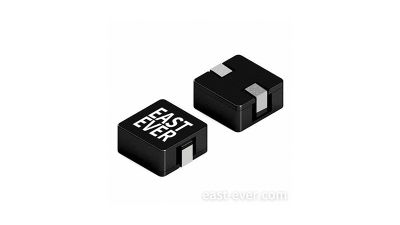
Maximizing Energy Efficiency: Exploring the Benefits of the ET1770 Molding Power Inductor in Modern Applications
The modern technological landscape demands energy efficiency in all aspects of design, especially in power management solutions. The ET1770 Molding Power Inductor exemplifies this shift towards maximizing energy efficiency, boasting a range of features that make it a crucial component in various applications. With a low profile and low DC resistance (DCR), it supports high power efficiency and minimizes core loss, essential for maintaining optimal performance in devices like servers, DC switching power supplies, and SSD modules.
Operating within a wide temperature range of -55℃ to +125℃, the ET1770 is designed to withstand demanding environments while ensuring reliability. Its magnetically shielded construction significantly reduces electromagnetic interference (EMI), which is vital in densely populated electronic circuits. Furthermore, its capability to handle high current loads and operate efficiently at frequencies up to 5 MHz positions the ET1770 as a versatile choice for both consumer and industrial applications. By incorporating such advanced components, manufacturers can respond to the growing need for sustainable and efficient energy solutions in modern electronic devices.
FAQS
: The inductance value is crucial. It directly impacts the coil's functionality in your circuit.
Lower resistance can enhance performance, but be wary of thermal stress in low resistance coils.
The size must fit your project and not compromise other components.
Assess material, manufacturing complexity, and testing. Cheaper options may compromise quality.
Overlooking testing in cheaper options can risk your project's reliability and performance.
A manufacturer’s reputation can indicate their reliability. Research past performance and feedback.
Reflect on your needs and weigh information carefully. Trust your instincts and research.
Avoid rushing your decision-making. Take time to evaluate your options thoroughly.
Long-term efficiency and potential issues matter more than just the upfront costs.
Delays in sourcing can lead to hidden costs. Confirm supplier reliability to avoid surprises.
Conclusion
When choosing the right OEM ODM inductor coil products, it's crucial to understand the differences between OEM (Original Equipment Manufacturer) and ODM (Original Design Manufacturer), as this can influence your product selection. Start by identifying your specific needs regarding inductor coils, including factors like application, design, and performance requirements. Consider key specifications such as inductance value, size, and resistance, as these will significantly impact functionality.
Additionally, evaluating the quality standards of the inductor coils is essential to ensure reliability and compliance with industry norms. Analyze cost factors to balance budget constraints with quality, and research various manufacturers to compare their offerings. Finally, making an informed decision involves weighing all these elements to select the right inductor coil product that meets your requirements effectively.

 +86-15916242887
 CONTACT US